
When Rare Becomes Real: Understanding Ultra-Rare Disease
A presentation by Jonathan Bracey, EVP at Tanner Pharma Group and Founder of the MVA Society, delivered at the Global Clinical Supplies Group European Knowledge Forum.
At a recent GCSG presentation, Jonathan Bracey shared the personal story of his son George’s diagnosis with Mosaic Variegated Aneuploidy (MVA) syndrome and rhabdomyosarcoma — highlighting the challenges families face when navigating ultra-rare diseases.
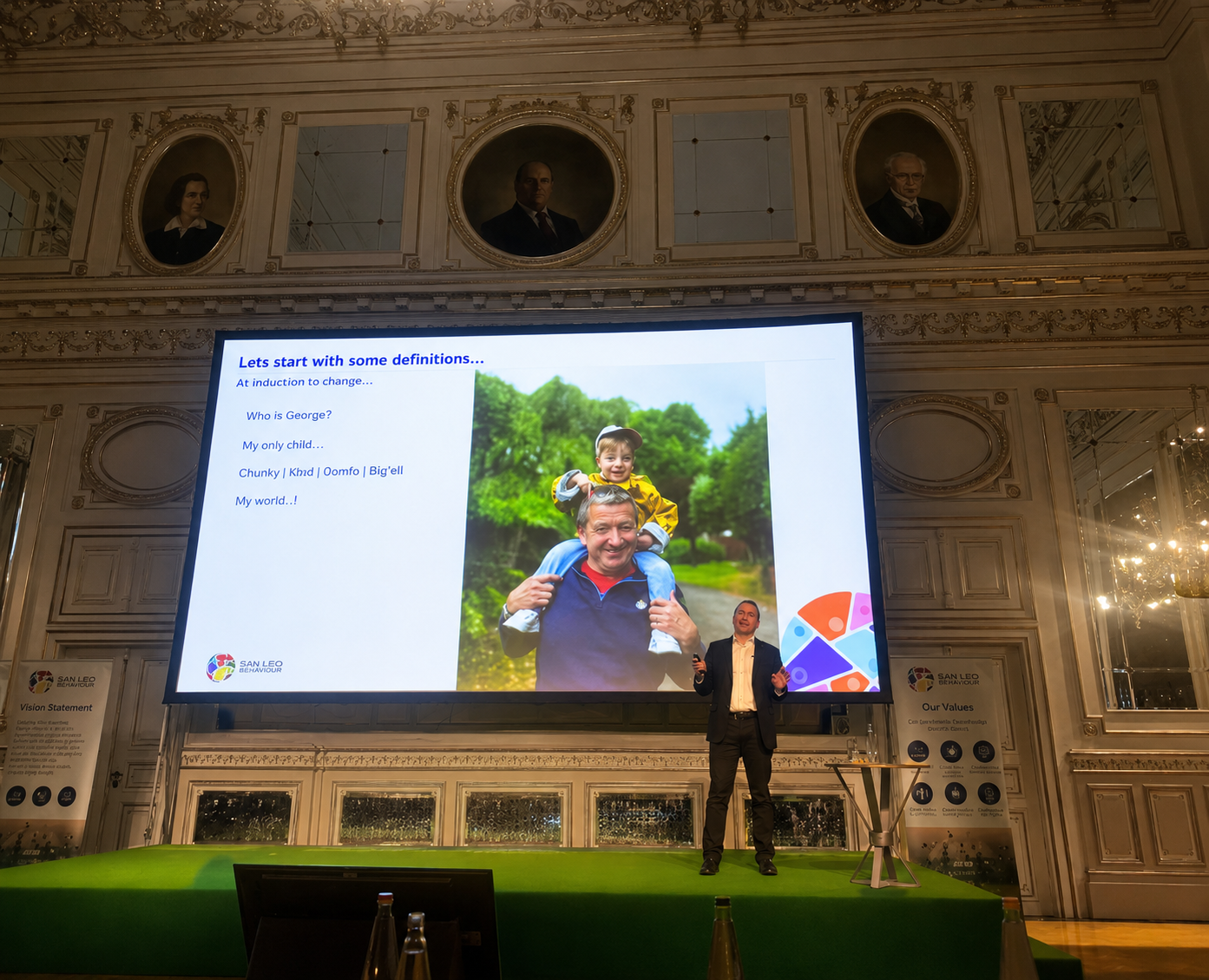
George’s Journey: When Every Protocol Fails
In mid-June 2023, Jonathan’s only child began six weeks of investigations at St. Mary’s Hospital and was diagnosed with rhabdomyosarcoma, a rare and aggressive cancer. Whole genome sequencing later identified an additional underlying condition: Mosaic Variegated Aneuploidy (MVA) syndrome.
George’s treatment spanned three London hospitals. He underwent nine rounds of chemotherapy at Great Ormond Street Hospital, with international consultation between Kings College Hospital and Bicetre Hospital in Paris, and access to Nanoknife therapy not yet standard in pediatric care.
A major UK clinical trial was active during this time, but George was unable to participate due to timing, risk classification, and weight requirements.
Jonathan brought together an international multidisciplinary team and raised £100,000 to support treatment and associated care. On May 2nd, 2024, George rang the bell following treatment with Nanoknife.
While his cancer is in remission, his MVA syndrome remains.
Understanding Ultra-Rare
Around 7,000 rare diseases affect an estimated 300 million people globally, yet most have no approved treatment. MVA is significantly rarer, affecting approximately 1 in 5 million people, with fewer than 50 documented cases worldwide.
The condition results in a proportion of cells having an abnormal number of chromosomes, creating increased cancer risk and complex, unpredictable health challenges.
Despite extensive experience in pharmaceutical access, Jonathan encountered significant barriers:
MVA requires specialised genome sequencing and is not routinely tested
Many clinicians have never encountered it
No established treatment pathways exist
Limited research and no defined patient community
Building Infrastructure
In November 2024, Jonathan established the MVA Society, supported by specialists from Kings College Hospital, Great Ormond Street Hospital, and St. Mary’s Hospital, alongside pharmaceutical access expertise.
The Society focuses on three areas:
Global Community – Identifying and connecting patients and clinicians worldwide
Research Funding – Supporting dedicated research initiatives
Treatment Exploration – Advancing drug repurposing and early-stage scientific work
When Access Becomes Critical
George’s treatment required coordination across multiple hospitals, international collaboration, and access to specialised therapies.
This reflects the broader challenge in ultra-rare diseases, where access to existing treatments, clinical expertise, and coordinated supply pathways can shape outcomes.
A Call to Action
Jonathan’s message focused on the need for collaboration across clinicians, researchers, patient advocates, and industry.
With most rare diseases still lacking approved treatments, progress depends on continued coordination, awareness, and shared effort.
As he reminded his audience: “Pain is where purpose lives.”
To learn more about the MVA Society or support their research, visit www.mvasociety.org or contact Jonathan Bracey at jb@mvasociety.org.
